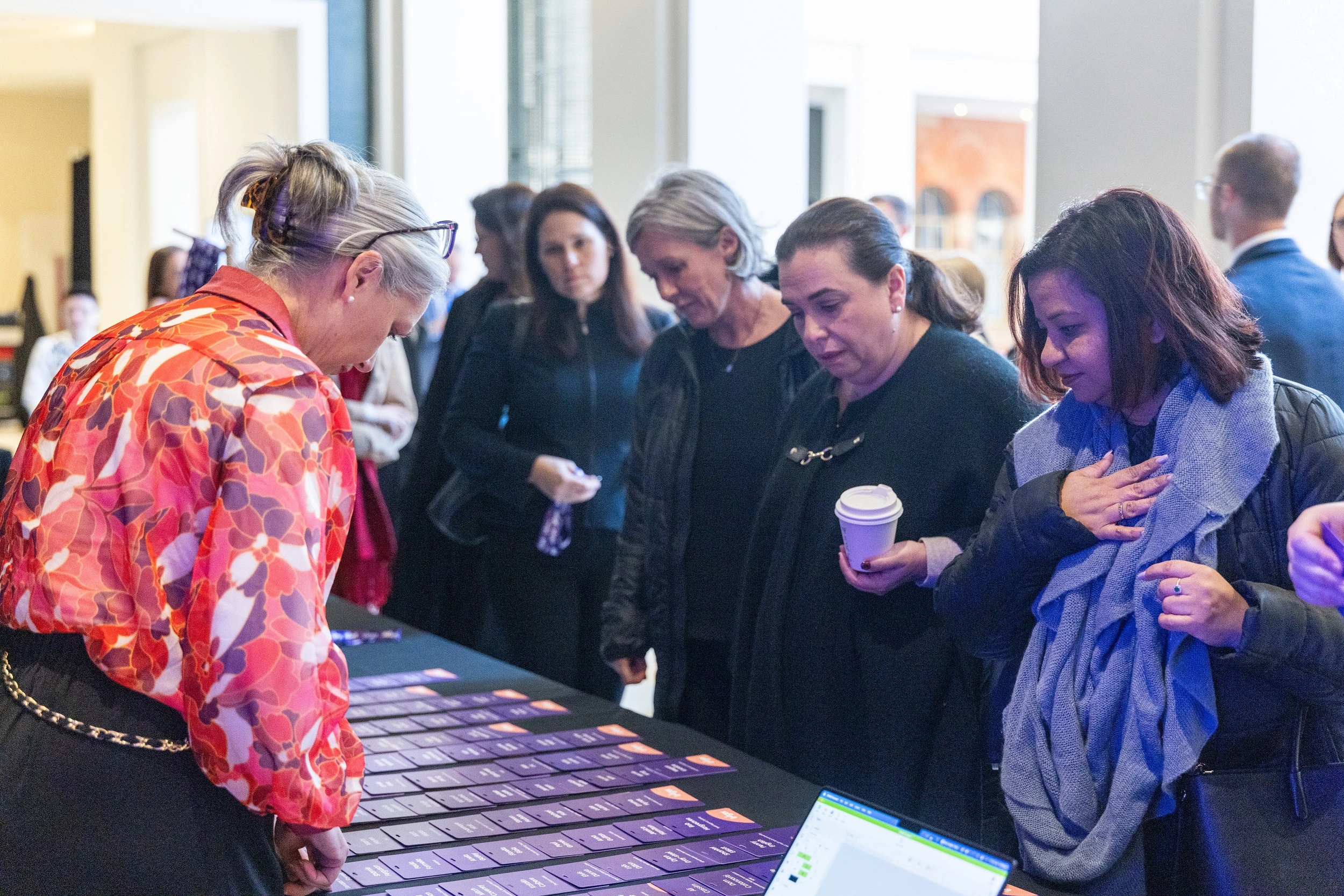
At a glance:
- Large conferences need clear structure to turn crowded rooms into meaningful connections.
- Attendee data and smart matchmaking help delegates identify the most relevant people.
- Structured formats, protected time and suitable spaces support more valuable conversations.
- Post-event follow-up helps promising introductions develop into lasting professional relationships.
At a small event, networking can happen with little planning. With fewer attendees, people can quickly understand who is in the room, identify shared interests and start conversations.
Large in-person conferences present a different challenge. When hundreds or thousands of delegates come together across industries, roles, seniority levels and session tracks, identifying the right people to meet becomes less straightforward.
A busy networking reception does not automatically create meaningful connections. Being surrounded by people is not the same as knowing who is relevant to your goals or how to start a useful conversation. Meaningful networking can lead to knowledge sharing, problem-solving, professional relationships and new opportunities, but these outcomes rarely happen without planning.
At this scale, brands need to create the right structure and environment for connection.
Here’s how you can use attendee data, technology, structured formats and thoughtful event design to help delegates connect with the right people at large in-person conferences.
Why Meaningful Networking Can Be Challenging at Large Conferences
Several factors can make meaningful networking more challenging at large-scale conferences. Here are some of the key challenges brands need to consider:
- Relevant People Are Harder to Find: A delegate list running into the hundreds makes it harder to identify the most relevant connections. Without visibility into who else is present, you’re relying on delegates to guess rather than seek out the people worth meeting.
- Familiar Groups Are Easier to Stay With: Faced with an unfamiliar room, delegates naturally default to colleagues and existing contacts. Left unaddressed, you’ll see existing groups hold their size rather than grow, with little opportunity for new conversations to begin.
- Busy Schedules Restrict Conversation: Short breaks, venue transitions and back-to-back sessions leave little room to talk. Most interactions end at a quick introduction, before you’ve given relevance or shared interests a chance to surface.
- Large Venues Create Practical Barriers: Scale creates its own practical problems, from noise and congestion to unclear meeting points and limited seating. These obstacles can make it hard for you to help attendees find the right people and hold a meaningful, uninterrupted conversation.
How Brands Can Create Valuable Attendee Connections at Scale
Once you understand where these barriers come from, you can start building networking activities that work with the scale of a conference rather than against it.
Define the Connections the Conference Should Create
Every networking activity should start with a decision about what kind of connection matters most. Before registration opens, decide whether delegates need to meet peers, potential partners, colleagues, subject-matter experts, customers or suppliers, since that choice shapes everything that follows.
Purposeful registration questions turn this intent into usable data. Capturing role, sector and current challenges lets you segment attendees based on what they actually want, rather than only by job title. A structured registration process gives conference attendee engagement a clear target from day one.
Use Smart Matchmaking Before Attendees Arrive
Smart matchmaking extends networking beyond the conference venue and begins the connection process before the event. An event app with a built-in matchmaking platform can recommend relevant contacts based on complementary interests or business priorities, using registration data and attendee profiles.
Automation manages the volume, but high-value introductions still benefit from human review. When matching is personalised to each delegate’s profile, attendees arrive with a shortlist of people to seek out, which makes networking at corporate events feel purposeful rather than passive.
To support these connections before the event, a large in-person conference can provide:
- Full delegate profiles showing role, interests and shared connections
- Direct in-app messaging to arrange meetings ahead of the event
- Bookable meeting slots reserved for executive, speaker and sponsor introductions
Provide Structured Formats for Different Networking Goals
Structured networking gives delegates a clear reason to approach people they may not know. Roundtables bring together attendees around a shared topic; speed networking creates quick one-to-one introductions; and expert office hours connect delegates with specialists who can address specific questions or challenges.
These formats remove the uncertainty of deciding whom to approach and how to begin the conversation. By giving each interaction a clear purpose, you can make networking more focused and support meaningful attendee connections across large-scale conferences.
Turn Conference Content Into a Conversation Starter
Content and networking do not need to sit in separate parts of the program. Moving attendees into small discussion huddles straight after a keynote gives them an obvious topic to open with.
This gives delegates an opening line before they reach the table. Starting from a shared reference point, rather than no context at all, is often the difference between a polite exchange and one of the more meaningful attendee connections made across the event.
Protect Networking Time and Create Different Places to Connect
Meaningful networking requires a protected place in the program rather than a slot added once every session has finished. Extending breaks, scheduling dedicated networking windows and avoiding back-to-back sessions gives delegates more time to find the right people, move beyond brief exchanges and have more valuable conversations.
The physical environment then influences how effectively that time is used. Central networking hubs support open mingling; topic lounges group delegates around a shared interest; and quiet conversation zones allow for more focused exchanges.
Choosing the right seating style for each of these settings can also determine whether a space encourages conversation or quietly discourages it.
Make It Easy for Connections to Continue
A good conversation only becomes a professional relationship if it continues after the conference. Simplifying contact exchange through QR codes or digital badges makes it easier for delegates to retain relevant details and follow up after meeting in person.
Post-event engagement can then give those relationships a clear way to develop. Strong follow-up helps extend the value of conference networking strategies beyond the event and gives delegates practical reasons to maintain relevant connections.
That follow-up can take several forms:
- Automated follow-up messages reminding delegates who they met and highlighting relevant shared topics or opportunities
- Direct access to session recordings and speaker materials related to conversations held during the conference
- Discussion prompts and follow-up questions that encourage delegates to continue conversations started at the event
At a large in-person conference, the real barrier to networking is often a lack of clarity and structure. Brands can address this by defining the connections delegates need and using registration data and matchmaking to support relevant introductions before the event.
On the day, structured formats, content-led conversation starters and well-designed networking spaces can help strengthen those connections. Consistent follow-up afterwards can then turn initial introductions into lasting professional relationships.
Creating meaningful networking at a large corporate conference requires careful planning, which can be difficult to manage on your own. Peanut Productions, an established event management company, helps brands design and deliver conferences that make it easier for the right people to connect, from registration through to post-event follow-up.
Talk to us about creating a conference experience that turns attendance into meaningful connections.
FAQs
How can sponsors join networking activities without making conversations feel overly sales-focused?
Sponsors can contribute through expert-led roundtables, facilitated discussions or practical problem-solving sessions. Focusing on attendee challenges and useful insights allows sponsors to build credibility without dominating conversations with product promotion.
Which networking outcomes should brands report to executives, sponsors and other event stakeholders?
Brands can report meeting participation, new contacts made, app engagement, follow-up activity and attendee ratings of connection quality. These measures show whether networking supported relationship-building, sponsor value and the conference’s wider objectives.
What technology can improve networking at a large conference?
Event apps, matchmaking platforms, attendee profiles, meeting schedulers and digital contact-sharing tools can help delegates connect with relevant people. Effective conference technology integration can also support real-time communication and post-event follow-up.
What risks can prevent conference networking activities from running as planned?
Schedule delays, overcrowding, technology failures and unclear staff responsibilities can disrupt networking activities. Early contingency planning and clear on-site roles are therefore essential parts of effective conference risk management.