At a glance
- Define clear conversion goals so brand activations support leads, sign-ups and other measurable outcomes.
- Use clear audience action, interactive experiences and meaningful value exchanges to turn engagement into conversion.
- Integrate lead capture and follow-up to extend impact beyond the event.
- Treat brand activations as strategic marketing tools designed to drive business results.
Brand activations have become a key part of experimental marketing campaigns. They are designed to attract attention, spark interest and create memorable moments.
But here’s an issue. Many activations attract crowds and create buzz, but the engagement often stays shallow.
The real challenge is that entertainment does not always translate into results. An activation may be visually engaging, but without a clear goal, it is less likely to drive meaningful actions such as leads, sign-ups or product enquiries. This is where brands can lose the opportunity to turn attention into valuable outcomes.
So, how do you create brand activations that deliver results?
This blog explains how strategy, audience focus and structured experiences can help you design activations that encourage actions and support business growth.
Why Entertainment Alone Does Not Drive Conversions
The table below outlines the key differences between entertainment-driven and conversion-focused approaches:
| Aspect | Entertainment-Led Activation | Conversion-Focused Activation |
| Primary Objective | Just attract attention and create buzz | Drive a specific business outcome (leads, bookings, trials) |
| Audience Experience | Passive or novelty-driven interaction | Purposeful interaction tied to a clear next step |
| Brand Connection | Loosely linked or secondary to the experience | Strongly integrated into every touchpoint |
| Call-to-Action | Often unclear or optional | Clearly defined and embedded in the journey |
| Data Capture | Minimal or inconsistent | Structured, seamless and intentional |
| Post-Event Impact | Limited to short-term recall | Continues through follow-up and nurturing |
Entertainment plays an important role in grabbing attention at crowded events. It serves as the initial hook, encourages participation and helps a brand stand out in the moment. Yet, without clear intent, engagement often ends when the experience is over.
The issue usually comes down to unclear direction. When activities focus solely on enjoyment, they may fail to inspire meaningful actions such as learning more about the brand, submitting contact details or continuing the conversation after the event. To create a lasting impact, each activity should guide attendees towards a clear next step.
What Strategies Turn Brand Activations Into Conversion Drivers?
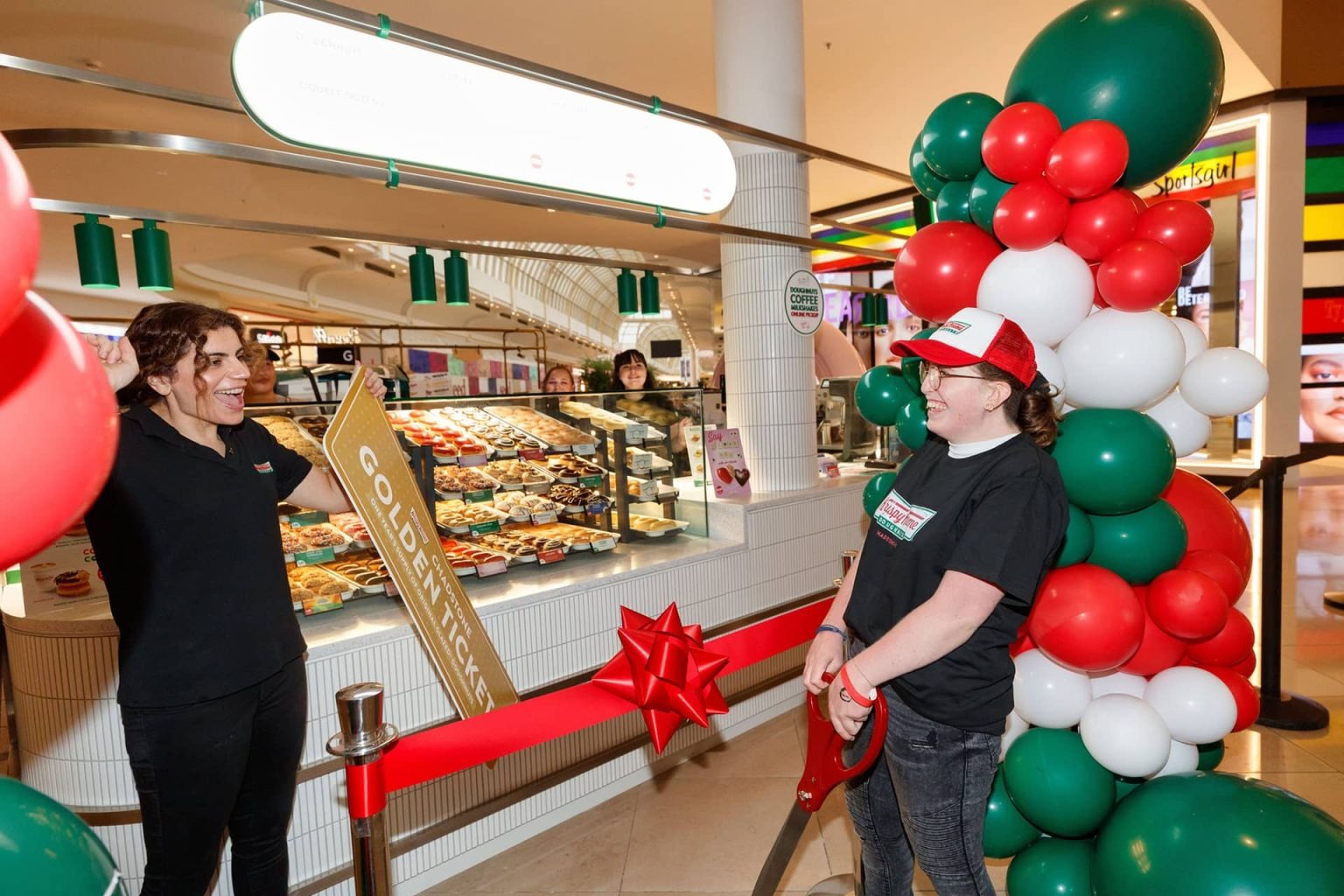
To move from attention to action, activations need to be built with intent from the very beginning. Below are the proven brand activation strategies that convert and drive real business results:
Define the Conversion Goal First
Start every activation with a clear outcome in mind. Whether your goal is capturing leads, driving product trials or securing bookings, defining it early shapes the entire activation. A strong brand activation strategy connects the messaging, layout and attendee journey to the outcome you want to achieve.
Without this clarity, activations often default to surface-level engagement. Setting measurable KPIs early (such as sign-ups, demo participation or QR code scans) helps guide decisions around format, technology and interaction design. Instead of simply attracting attention, this helps the experience support clear business objectives.
Focus on One Clear Audience Action
Once the goal is defined, the next step is to simplify the path for the audience. Effective conversion-focused activations are built around one clear action, such as scanning a QR code, joining a product trial or booking a consultation. This reduces confusion and makes it easier for attendees to complete the intended action.
Instead of overwhelming visitors with too many options, the experience should guide them through a natural flow. When the journey feels intuitive, conversion becomes a seamless part of the interaction.
This works best when a few guiding principles are followed:
- Keep the action simple and easy to complete.
- Make the next step easy to understand without explanation.
- Match the CTA with the context of the event and what the audience wants.
For example, guests could complete a quick digital game and then visit a landing page to claim an offer, book a demo or learn more about the product.
Use Interactive Product Experiences to Create Stronger Intent
Hands-on interaction can make decision-making easier by helping attendees understand the product in context. Attendees engage more deeply when they can try, test or explore the offering themselves. This is where interactive brand experiences become valuable, as they help bridge the gap between curiosity and genuine interest.
Well-designed product interactions can include AR or VR simulations that let users experience the product in a virtual setting. These formats help people see how the product works in a realistic setting. By showing how the product works in a realistic context, these formats can improve recall, build confidence and make the next step feel more natural.
Read More: Top Engagement Strategies for Online Audiences in a Virtual Event
Create a Value Exchange That Makes Conversion Feel Worth It
People are more likely to engage when they perceive a clear personal benefit. A thoughtful value exchange shifts the interaction from a one-sided pitch to something mutually beneficial. This gives attendees a stronger reason to participate.
Strong activations offer valuable insights, exclusive access and personalised experiences instead of relying on generic giveaways. If the value feels meaningful and connected to the brand, attendees are more likely to take the desired action.
The following points help guide the value exchange effectively:
- Offer product-specific rewards, such as early access to sample trials of your products or services.
- Provide useful digital takeaways, like personalised reports and interactive tools unlocked after engagement.
- Offer instant discounts, event-only offers or personalised recommendations based on user input.
Integrate Lead Capture Technology Into the Activation Journey
Lead capture is essential if you want engagement to support follow-up, sales conversion and measurable outcomes. In successful experiential marketing activations, data collection is built into the interaction so attendees can share details without feeling pulled out of the experience.
Tools such as QR forms, digital kiosks, NFC touchpoints and mobile-based engagement screens can make lead capture smoother. Some activations may also use AI-powered chat assistants that recommend relevant product interactions based on user input.
An intuitive capture process leads to higher completion rates and yields more useful data for CRM (Customer Relationship Management) integration.
Plan the Follow-Up Path Before the Activation Goes Live
Conversion does not end when the activation campaign finishes. The real value often comes from what happens after the initial interaction. A strong event marketing strategy includes a clear plan for nurturing leads after attendees leave the experience.
Timely follow-up helps maintain momentum and turns initial interest into enquiries, bookings and sales. Without this step, even well-executed activations risk losing potential opportunities.
Here are the key steps to make that follow-up more effective:
- Categorise leads based on engagement level (such as demo participants, casual visitors and high-intent interactions)
- Trigger follow-ups within a short window, ideally the same day or within 24 to 48 hours, to maintain recall and relevance
- Personalise messaging based on the specific activity they engaged with during the activation (e.g., product trial, experience zone or consultation)
Turning Strategy Into Real Brand Activation Experiences
Peanut Productions has delivered experiential activations that connect creative strategy with clear audience engagement. One example is the ASICS Tokyo Pack Launch. This project used immersive design and interactive participation to create an impact that extends beyond entertainment. Hosted at Lakeside Stadium, the event encouraged attendees to engage with the brand rather than just observe it.
The project brought together audience interaction, value-driven experiences and social sharing to extend its reach beyond the event itself. More than just a visually appealing launch, it demonstrates how creative execution can improve brand visibility.
Brand activations deliver more value when they focus on more than just attracting attention. While entertainment can attract audiences, measurable outcomes come from a clear purpose, audience-focused experiences and structured pathways that encourage action. This makes the activation more likely to support meaningful outcomes, such as stronger brand connections, qualified leads and measurable business impact.
The most effective activations are not treated as one-off event moments. Instead, they fit into a broader marketing strategy. With proper follow-up and performance tracking, activations can continue to generate value long after the event is over. Attention may start the interaction, but a clear strategy is what leads to conversion.
Turning attention into outcomes requires the right execution partner. As a brand activation service provider, Peanut Productions creates experiences built for impact, engagement and conversion. Reach out to us to start your next brand activation campaign.
FAQs
What role does staff training play in improving activation performance?
Staff training improves activation performance by helping teams deliver consistent messaging, manage attendee interactions and support conversion goals. Well-trained staff can also guide attendees toward the right next steps, such as product interaction, lead capture or sign-up.
How should brands budget for high-converting activation campaigns without overspending?
A practical approach for a conversion-focused activation is to align the budget with the conversion goal, focus on high-impact touchpoints and allocate budget based on expected return. This helps improve performance while controlling unnecessary production costs.
What are the key risks to consider when planning a brand activation at a corporate event?
Key risks include unclear objectives, poor audience fit, technical failures, logistical issues and weak data capture or follow-up processes. There is also reputational risk if the activation does not align with messaging and attendee expectations.
How do you balance creativity with brand consistency in event design?
Creativity and brand consistency are balanced when creative ideas support the brand message rather than distract from it. Visual concepts, interactive elements and audience experiences should reflect the brand’s identity while still engaging the audience.