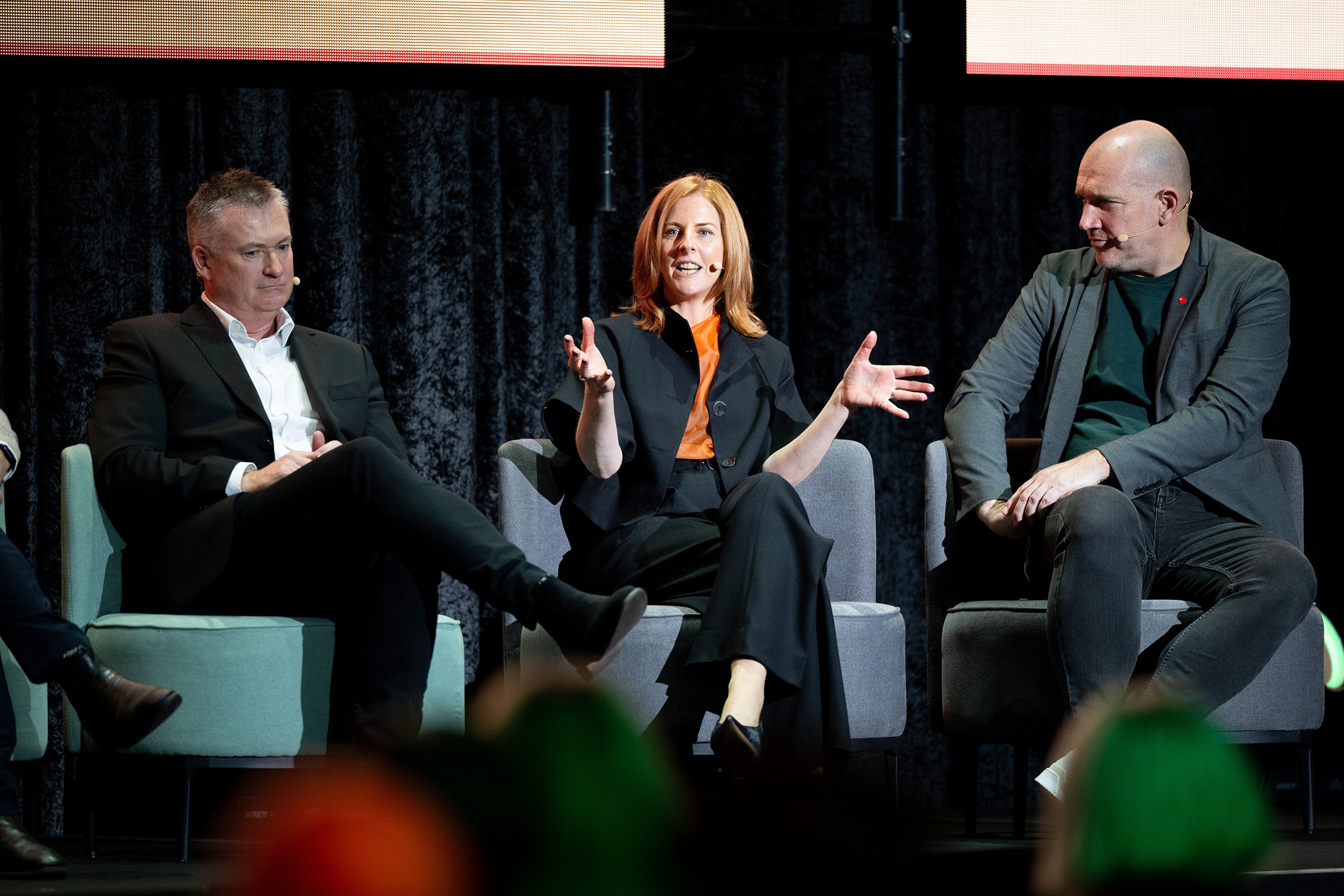
- An effective incentive travel program starts with clear objectives and a strong understanding of what motivates participants.
- Destination choice, itinerary planning and seamless logistics directly shape the quality of the experience.
- Personalisation and thoughtful details increase perceived value and create a more meaningful reward.
- Measuring outcomes after the program ensures it delivers real business impact and improves future initiatives.
Incentive travel is more than just a reward for top performers. For many corporate organisations, it is a strategic tool for improving performance, strengthening engagement and reinforcing company culture.
However, organising an impactful event requires managing various moving parts. Many fall short because they are treated as one-off trips instead of structured programs with a clear purpose. Without clear objectives and consistent execution, the experience can feel generic and disconnected from what the business is trying to achieve.
The strongest incentive travel programs are built around a clear business goal from the beginning. They combine clear goals, audience insight and a well-planned experience that feels genuinely rewarding.
In this blog, we cover the key drivers behind a successful incentive travel program and experience and what it takes to deliver results-driven outcomes.
Before that, let’s look at the key factors that make these programs effective.
| Key Factor | Why It Matters |
| Clear Objectives | Ensures the program is aligned with measurable business outcomes |
| Audience Insight | Helps design a reward that genuinely motivates participants |
| Destination Fit | Builds excitement while keeping travel practical and manageable |
| Itinerary & Logistics | Ensures the experience runs smoothly without disruption |
| Personalisation | Increases perceived value and emotional impact |
| Measurement | Confirms ROI and informs future improvements |
Why Incentive Travel Programs Matter for Businesses
When planned well, incentive travel programs deliver more than recognition. They create measurable impact across performance and long-term business outcomes. Let’s go into the details on why it is important for corporate businesses:
- Drives Measurable Performance Outcomes: Business incentive travel gives employees a clear reason to work towards defined targets. It links effort directly to reward, making goals more tangible and motivating. This can support stronger sales performance, improved productivity and higher participation in business goals.
- Strengthens Employee Motivation and Engagement: Travel experiences give employees something meaningful to work towards. When the reward feels valuable, they are more likely to stay motivated, meet the qualification criteria and keep pushing towards the goal.
- Supports Talent Retention and Loyalty: Experiential rewards can feel more memorable than standard bonuses or internal recognition. They show employees their contribution is genuinely valued. Over time, this can strengthen loyalty and help encourage high-performing employees to stay.
- Enhances Company Culture and Recognition: Incentive trips give employees a chance to connect outside the usual work setting. Shared travel experiences can strengthen relationships, reinforce recognition and support a more positive workplace culture.
What Drives a Successful Incentive Travel Program and Experience
A corporate incentive program succeeds when every element supports the same business goal and participant experience. The factors below influence how the program performs and how participants experience the reward.
Clear Business Objectives and Success Measures
A well-structured program begins with a clearly defined purpose. You need to be specific about what the program should achieve, whether that is increasing sales, improving retention or encouraging a specific behaviour. These objectives should guide everything from the program structure to the destination, itinerary and experience design.
Setting measurable success criteria ensures the program remains accountable. Without clear success measures, it becomes difficult to know whether the investment delivered real value. When objectives and metrics are set early, the program becomes a focused incentive travel strategy rather than a general reward.
A Strong Understanding of the Audience
The success of any corporate incentive program depends on how well it connects with the people it targets. Participants may value recognition, exclusivity, personal choice or experiences that feel meaningful to them. Relying on assumptions about what participants want can weaken the impact of the program. Understanding these motivations helps create a more relevant and engaging travel experience.
When the program aligns with actual preferences, engagement remains consistent throughout the qualification period. Participants are more likely to stay committed when the reward reflects their interests and motivations. This connection shifts participation from a passive interest to active motivation.
Destination That Fits Your Audience and Program Goals
Selecting the right destination plays a defining role in how an incentive trip is perceived. It should balance aspiration and practicality, creating excitement without unnecessary challenges. If the destination does not appeal to the group, the program can lose impact before the trip even begins.
- Selecting the right location involves more than choosing somewhere appealing:
- Accessibility and travel time should suit the group and minimise fatigue
- Seasonal conditions need to support planned activities and the overall experience
- The destination must accommodate group size, logistics and experience design
When these elements are aligned, the destination becomes a major part of what makes an incentive trip effective.
Balancing Itinerary and Logistics for a Seamless Experience
A well-planned itinerary keeps the experience smooth from start to finish. It should include key moments such as welcome sessions, curated group activities, local cultural experiences, recognition events and free time for personal exploration.
If the schedule is too packed, participants can feel rushed. If it is too loose, the program may lose focus.
At the same time, logistics need to operate seamlessly in the background. Travel coordination, timing, transfers and on-ground management all play a role in how smooth the experience feels.
Strong planning and coordination help the trip run smoothly, so the logistics support the experience rather than interrupt it.
Personalisation Makes the Reward Feel More Valuable
Personalisation helps turn a well-executed trip into an experience that feels relevant and memorable for participants. It shows the experience has been thoughtfully designed, rather than delivered as a one-size-fits-all package. When details reflect individual preferences, the reward feels more meaningful and worth working towards.
For example, instead of providing a fixed itinerary for everyone, a program could allow participants to choose between a private dining experience, a guided cultural tour or an exciting activity. This level of choice helps the experience reflect individual interests rather than forcing a single format on the entire group.
This can be delivered through practical, experience-led touches:
- Custom welcome kits or personalised gifts that acknowledge achievement
- Flexible activity options that allow participants to choose their experience
- Recognition moments that feel tailored rather than standardised
These elements create a stronger emotional connection, making the reward feel earned and meaningful.
Evaluate Success Through Post-Program Measurement
The value of an incentive travel program should still be assessed after the trip ends. Success should be measured against clear outcomes, such as sales growth, retention rates, qualification rates, participation levels and post-program feedback.
Monitoring these metrics shows whether the program delivered real business impact, not just a positive experience.
Post-program feedback provides another layer of insight. It helps identify what worked well, what could be improved and how future programs can be refined. Over time, this creates a more data-informed approach and helps future incentive trips deliver stronger results.
Read More: How Peanut Production Designs Corporate Incentive Trips That Drive Business Outcomes
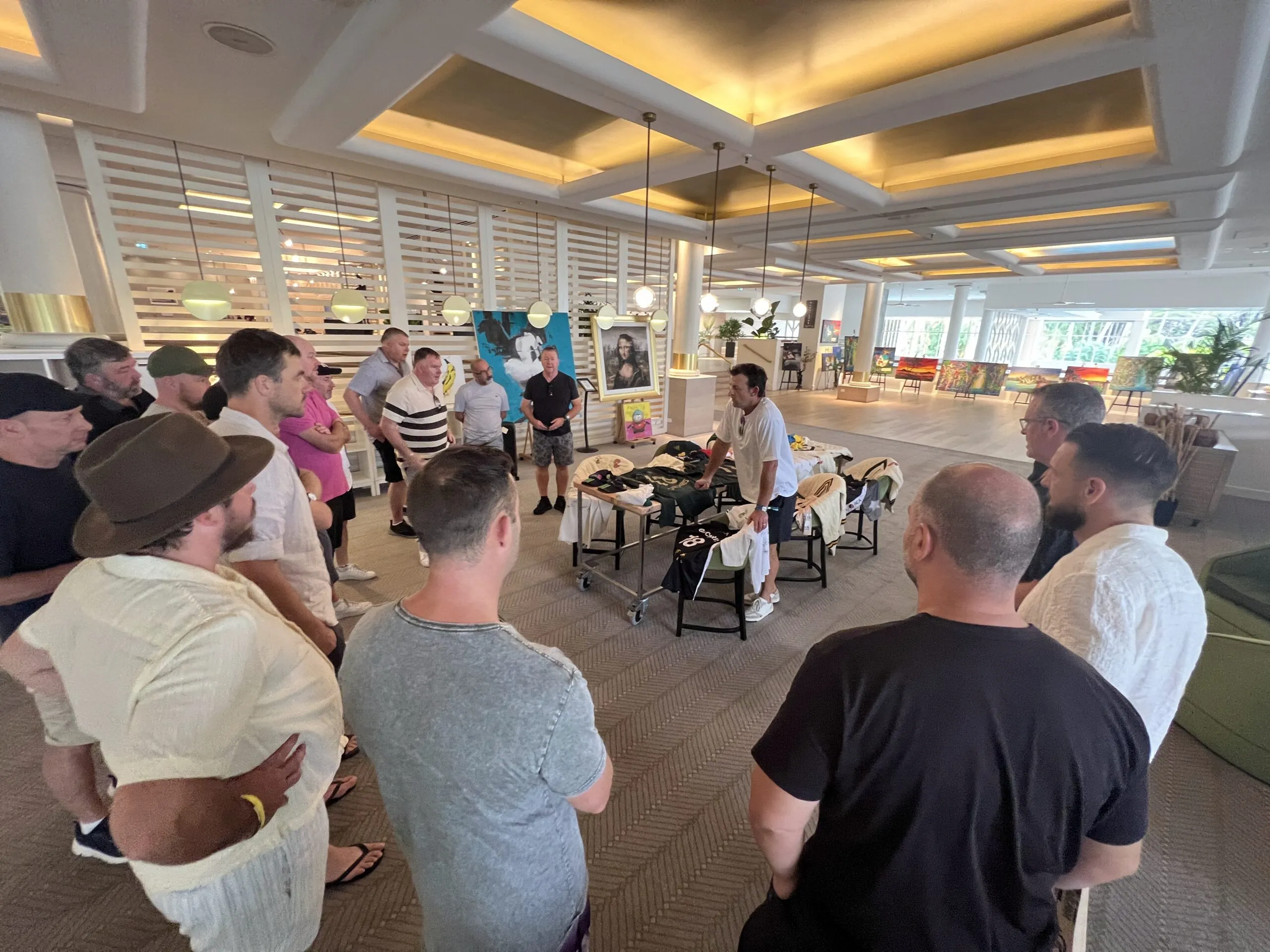
The JLRA Study Tour for Jaguar Land Rover Australia is a strong example of a well-executed incentive travel program. This five-day experience in Far North Queensland rewarded top-performing Service Department Managers while strengthening their connection to the brand.
Peanut Productions managed the program end-to-end, delivering a well-balanced itinerary that combined destination experiences, education and personalised touches. The result was a high-value program that recognised performance while achieving a memorable experience for participants.
“At Peanut Productions, we believe the most effective incentive programs are those that balance meaningful reward with exceptional experiences and thoughtful personalisation. When people feel genuinely recognised, the impact extends well beyond the trip itself, driving stronger engagement, loyalty and performance.”
– Sharon Ammerlaan
A successful incentive travel program comes down to alignment. Clear objectives set the direction, audience insight ensures the reward resonates, whereas the right destination and itinerary shape the overall experience. With smooth logistics and thoughtful personalisation, the trip feels organised, relevant and rewarding.
These factors only deliver value when they work together. Effective execution helps the experience run as planned, while post-program measurement shows whether it achieved its goals. This is what ultimately defines a successful incentive travel program.
Creating an incentive travel program that delivers real results takes strategy, audience insight and careful execution. As a trusted incentive travel management company, Peanut Productions helps businesses create well-structured, high-value travel experiences. Talk to our team to discuss your next corporate travel program.
FAQs
Is it better to run a domestic or international incentive travel program for corporate teams?
Both domestic and international incentive travel programs can be effective, depending on your objectives and audience. Domestic travel is more cost-efficient and easier to manage, making it suitable for larger groups or shorter programs. International travel can offer a stronger sense of exclusivity and perceived value, which may increase motivation for some high-performing teams.
What group size works best for an incentive travel experience?
There’s no single ideal group size, as it depends on the program goals. Smaller groups (10–30) allow for more personalised experiences, while larger groups (50+) suit broader engagement but require more structured planning.
How can businesses optimise spend during incentive trips without affecting the delegate experience?
Businesses can optimise spend on incentive trips through strategic planning rather than cost-cutting alone. Choosing the right destination, streamlining logistics and working with experienced event partners helps control costs while maintaining quality.
What is the best way to manage risk in corporate incentive travel planning?
The best way to manage risk in corporate incentive travel planning is through early planning, strong coordination and contingency strategies.
Why do businesses prefer incentive travel companies over agencies for successful programs?
Businesses prefer incentive travel management companies because they offer specialised expertise in designing and delivering results-driven programs, not just booking travel.