At a glance
- Venue size should match how the event will function, not just how many people the room can hold.
- Oversized venues dilute energy and increase unnecessary costs, while undersized venues disrupt flow and comfort.
- Accurate planning around event format and attendance forecasts helps you avoid sizing mistakes.
- Choosing the right venue requires assessing real space needs, layout flexibility and how the event will function in practice.
When choosing a venue for a corporate event, location, appearance and capacity are often the first things people consider. These factors matter, but they do not show whether the space will actually work on the day. The size of the space needs to match how the event will actually run.
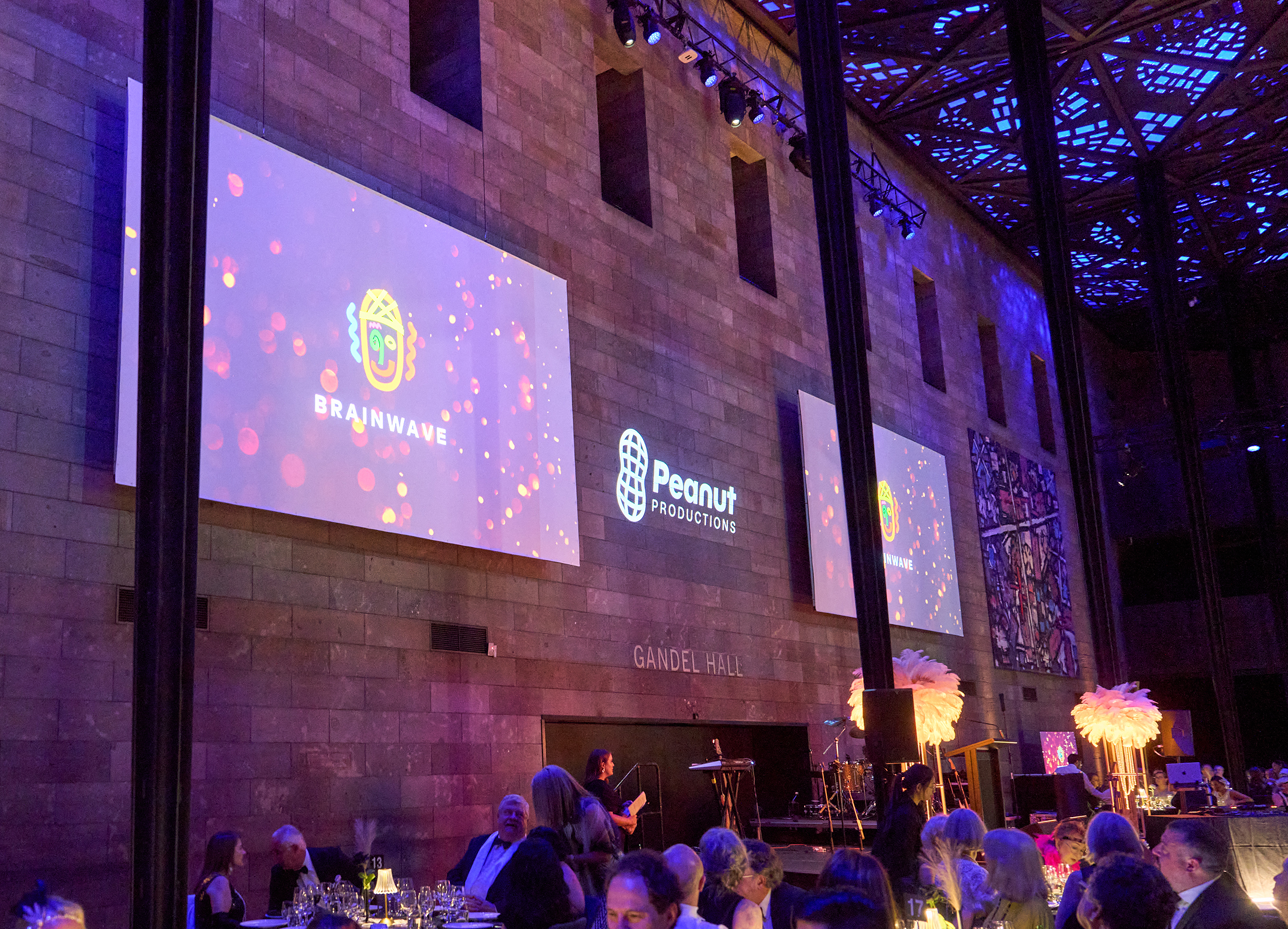
This is where many venue problems begin. A venue that is too large can feel empty and dull, even with a good turnout. On the other hand, a space that is too small can feel crowded and difficult to manage. Both scenarios create problems that affect the flow, energy and overall experience.
This blog explains the risks of choosing the wrong venue size and what those problems look like during a corporate event. We will also discuss how to assess your needs and select a venue that enhances your event rather than restricts it.
What Happens When You Select the Wrong Venue Size for Corporate Events
Even with strong content and effective event planning, the wrong venue size can affect how the event feels, flows and performs. First, here are some of the key issues caused by an oversized venue:
- Diluted atmosphere and low perceived turnout: When the room is too large, the crowd spreads out and the space feels underfilled. Even a solid turnout can look thin, which reduces the energy in the room. This creates a low-energy atmosphere where sessions feel less engaging and momentum is harder to build.
- Weaker audience connection and engagement: Too much distance between the stage and attendees makes it harder for speakers to hold attention. Speakers feel less connected to the audience and interaction drops off quickly. As a result, key messages don’t land as strongly as they should.
- Unnecessary budget spent on unused space: Larger venues often have higher rental costs and additional setup requirements. You may end up spending more on staging, AV and staffing just to make an oversized space feel functional. That budget could have been allocated to enhancing the attendee experience instead.
- Loss of visual impact and brand presence: Empty space can weaken the event’s visual impact, especially when branding, signage and stage design feel spread too thin. If signage, stage design and screens are not scaled to the room, the event can feel disjointed instead of cohesive. This not only reduces the overall impact but also makes the event appear less polished than intended.
While oversized venues dilute energy, undersized venues create pressure on movement, comfort and event operations. Let’s explore the key challenges of undersized venues:
- When a venue is too small, attendees can feel cramped, with limited space to move, settle in comfortably or interact naturally.
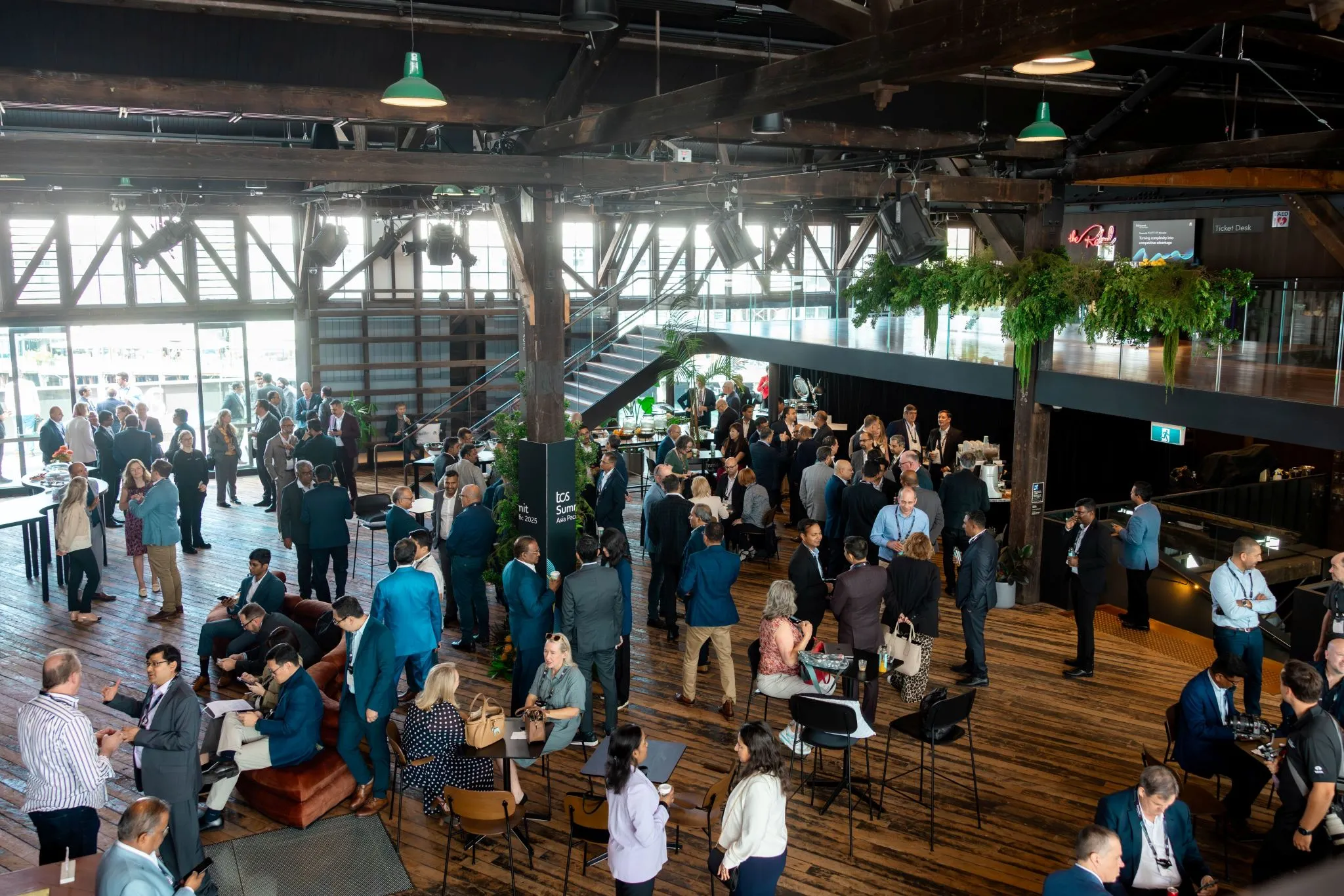
- Entry points, catering areas and networking zones can become crowded quickly, slowing movement and disrupting the planned event flow.
- Limited floor space can also restrict staging, AV and breakout setups, forcing teams to reduce or rework the original event plan.
- With less working space available, staff and suppliers have to operate in tighter conditions. This makes setup and live coordination more demanding.
To better understand the contrast, here’s a side-by-side comparison of oversized vs undersized venues:
| Factor | Oversized Venue | Undersized Venue |
| Atmosphere | Feels empty, low energy | Feels crowded, uncomfortable |
| Engagement | Reduced connection with the audience | Distracted, frustrated attendees |
| Cost Impact | Paying for unused space and setup | Hidden costs from inefficiencies |
| Event Flow | Dispersed, harder to control | Congested, bottlenecks form |
| Brand Perception | Diluted and less impactful | Disorganised and cramped |
How to Select the Ideal Venue Size for Corporate Events
Choosing the right venue size requires thoughtful planning, not just matching headcount to listed capacity. Here are some strategies to help you avoid choosing a venue that is too large or too small for your corporate event:
Define the Event Objective and Format First
Every venue decision should start with a clear understanding of your event objective. A keynote-driven conference needs seating layouts that ensure strong stage visibility, while a networking-focused event benefits from open layouts that encourage interaction. The format directly shapes how space is used and how attendees experience the event. Clarifying this early helps you avoid selecting a venue that is too large or too restrictive.
From there, the layout should support the format. Theatre-style layouts maximise capacity but limit interaction. On the other hand, cabaret or cocktail formats require more space per attendee.
If this step is overlooked, you may end up relying only on capacity figures and choosing a space that does not suit how the event needs to operate. This is where many issues in corporate event venue selection begin.
Build a Realistic Attendance Forecast
Accurate attendance forecasting is one of the most practical ways to avoid both oversized and undersized venues. Instead of relying on assumptions, use confirmed registrations, past event data and RSVP behaviour to shape your attendance forecast. This gives you a more reliable basis for choosing the right venue size.
It’s also important to account for real-world variables that affect turnout:
- Expected no-show rates based on event type
- Last-minute registrations or drop-offs tracked through your event app or registration platform
- Differences between free, paid and internal events
A good example of this in practice is the Visa Open Payments Forum 2025, delivered by Peanut Productions. The event was run as a two-city roadshow, with 60 attendees in Sydney and 80 in Melbourne. Peanut Productions forecast attendance for each location using registration data and expected turnout patterns rather than relying on a single estimate across both cities. This allowed us to plan venue size, layout and setup more accurately, reducing the risk of over- or under-allocating space.
Map the Full Spatial Requirements Beyond Headcount
When planning a corporate event, look beyond headcount before deciding how much space you need. A venue may have enough seating for your guests, but when you factor in staging, audiovisual equipment, catering setups and guest movement, the space can fill up quickly. That is why you need to consider the event’s full footprint, not just the number of available seats.
A simple way to approach this is to break down all spatial components early:
- Front-of-house: stage, screens, presentation area
- Guest areas: seating, networking zones, breakout rooms
- Support zones: registration desks, catering, circulation space
This gives you a clearer view of the room layout and capacity needed for multi-format corporate events.
Match Venue Layout Flexibility to Event Needs
Even with careful planning, event requirements can change. Attendance may fluctuate, sessions could grow and networking areas might need more space. Choosing a venue with flexible layout options helps you adjust without affecting comfort, flow or engagement.
Venues that offer partitions, modular rooms or reconfigurable layouts allow you to scale space up or down as needed. This flexibility becomes valuable for events that move between plenary sessions, breakouts and informal networking.
In contrast, fixed layouts often force compromises that either waste space or create unnecessary constraints.
Align Venue Selection with Brand Positioning and Experience Goals
Venue size plays a direct role in how an event is perceived. A premium event in an oversized space can feel underwhelming, while a high-energy launch in a tight room can feel chaotic. The aim is to match the room to the atmosphere you want to create, so the event feels intentional and well-managed.
This comes down to how density, acoustics and visual framing interact. A well-sized venue helps the audience stay connected to the stage and the content. It ensures clear sightlines and maintains a steady energy level throughout the room. When the space meets brand expectations, the event feels more unified and professionally executed.
Conduct Detailed Venue Walkthroughs with Operational Scenarios
A venue may look suitable on paper, but real issues often emerge when you see how it performs in real event conditions. Walking through the space with the event flow in mind helps highlight constraints that can be overlooked during the initial choice.
During the venue walkthroughs in event planning, focus on how the event will operate from start to finish. This includes arrival, registration, transitions between sessions and busy catering times. Testing these scenarios early helps you identify limitations such as restricted access points, tight service areas or poor flow between zones.
Avoiding an oversized or undersized venue starts with making the right decisions early, not trying to fix problems later. When the goal is clear, the format is defined and attendance is forecasted, it becomes much easier to determine how much space the event needs. Many sizing issues occur when these steps are rushed or based on assumptions. This often leads to venues that feel either empty or hard to manage.
Taking the time to map out spatial requirements, assess layout flexibility and walk through how the event will run helps remove that uncertainty. Instead of relying on capacity figures alone, you’re selecting a venue based on how it will perform in real conditions. That’s what ultimately ensures the space feels right and creates a better experience for everyone involved.
The right venue decisions start with a structured planning approach. Peanut Productions brings the expertise of a professional event management company to align your event needs with the right space early on.
Contact us today to plan your next corporate event with confidence.
FAQs
What risks arise when venue selection is delayed in corporate event planning?
Delaying venue selection limits available options, often forcing you to choose a space that doesn’t match your event size or format. This can lead to higher costs, reduced layout flexibility and compromises in attendee experience.
How do hybrid or virtual components affect venue size requirements for corporate events?
Hybrid or virtual components may reduce in-person attendance, which can lower some space requirements. However, they introduce additional needs such as staging, AV production areas, streaming equipment and technical control zones.
When should you consider using multiple smaller spaces instead of one large venue?
Consider using multiple smaller spaces when your event includes breakout sessions, workshops and parallel tracks that need to run at the same time. It also works better for networking-focused events where smaller groups encourage more interaction.
How do Professional Conference Organisers (PCOs) scope venues for the right fit?
Professional Conference Organisers scope venues by reviewing event objectives, audience size, format, budget, accessibility and operational needs before shortlisting options. For a deeper breakdown of this process, read how Professional Conference Organisers (PCOs) handle venue scoping.
Why should you consider a smart venue for corporate events?
A smart venue for corporate events offers built-in technology that supports AV, connectivity and hybrid event delivery, reducing setup complexity and technical risks. It also improves data tracking and operational efficiency, which helps events run more smoothly.